Compare Top Local Operators
100% Free

Planning a trip to South Africa?

Share your travel plans and get free itineraries and quotes from multiple trusted local operators.

Itineraries tailored to your travel plans Compare quotes from multiple local operators Connect directly with trusted local operators
Get Free Quotes

10k+ travelers have submitted inquiries

South Africa - Travel Guide

4.8

Must-see attractions, popular activities, and featured local operators

Southern Africa

South Africa, a land of breathtaking diversity, offers travelers a wealth of unique experiences, iconic landmarks, and rich cultural encounters. From the vibrant streets of Cape Town, nestled beneath the iconic Table Mountain, to the awe-inspiring wildlife of Kruger National Park, South Africa boasts a plethora of attractions. Visitors can explore the historic Robben Island, where Nelson Mandela was imprisoned, or embark on a scenic drive along the Garden Route, marveling at pristine coastlines and lush forests. Rich in heritage, South Africa's cultural tapestry is woven with traditions from Zulu, Xhosa, Afrikaans, and other communities, showcased in colorful festivals, lively music, and delectable cuisine. With its blend of natural beauty, historical significance, and warm hospitality, South Africa promises an unforgettable journey for every traveler.
Attractions

Language

South Africa is a linguistically diverse country, officially recognizing 11 languages, which include Zulu, Xhosa, Afrikaans, English, and several others. English, although not the most widely spoken first language (that distinction belongs to Zulu), serves as the primary lingua franca and is extensively used in government, media, and the business sector, ensuring its acceptance and widespread use.

Best Time to Visit

For wildlife enthusiasts, the dry winter months from May to September are ideal for safaris, as animals are easier to spot near waterholes and vegetation is less dense. The weather is also cooler, making outdoor adventures more comfortable. If you're looking to enjoy the beautiful beaches along the South African coast, the warm summer months from December to February are perfect, offering sunny days and pleasant sea temperatures. However, for those interested in whale watching, the months from July to November are prime time, especially along the Western Cape. Lastly, the shoulder seasons of spring (September to November) and autumn (March to May) provide mild weather and fewer crowds, making them excellent times for exploring the cities and enjoying the diverse landscapes at leisure.

Month
Weather Overview
January
January is one of the hottest months, with temperatures ranging from 15°C to 35°C. It's summer in South Africa, bringing high humidity and frequent afternoon thunderstorms, especially in the Highveld region, while coastal areas enjoy warm, sunny days.
February
Similar to January, February experiences hot and humid conditions with temperatures between 15°C and 35°C. Late summer thunderstorms are common in the interior, while coastal regions remain warm and relatively dry.
March
March marks the transition from summer to autumn. Temperatures slightly decrease to a range of 14°C to 30°C. The weather is generally warm, but rainfall begins to decrease, especially towards the end of the month.
April
In April, autumn brings milder temperatures (12°C to 28°C) and reduced humidity. Rainfall continues to decrease, making it a pleasant time for outdoor activities, with cooler evenings.
May
The onset of winter sees further cooling, with temperatures between 8°C and 22°C. It's generally dry across the country, with crisp mornings and evenings, particularly in the interior.
June
June is in the heart of the dry winter season, with temperatures ranging from 4°C to 20°C. It's the best time for wildlife viewing as animals congregate around water sources, and there's very little rain.
July
Similar to June, July is cold and dry, with temperatures between 4°C and 20°C. Morning and evening game drives in safari areas require warm clothing, but days are sunny.
August
August is still winter, with temperatures slightly increasing to 6°C to 22°C. It remains dry, with the landscape beginning to warm up, yet nights and early mornings can be chilly.
September
Spring arrives in September, bringing warmer temperatures (10°C to 25°C) and a noticeable increase in greenery as the dry landscape rejuvenates. Wildlife viewing remains excellent, with mild weather.
October
Temperatures continue to rise in October (12°C to 28°C), marking a return to warmer weather. This month sees the return of rains, especially in the form of thunderstorms in the Highveld, while coastal areas enjoy warm, pleasant conditions.
November
In November, temperatures range from 14°C to 30°C, with increasing humidity. Rainfall becomes more frequent, especially in the interior, signaling the start of the summer wet season.
December
December is peak summer, with temperatures between 15°C and 35°C, high humidity, and regular afternoon thunderstorms, particularly in the interior. Coastal regions are hot and popular among holidaymakers.

Festivals

Month:3
Festival:Cape Town International Jazz Festival

Often referred to as "Africa's Grandest Gathering," this festival is one of the largest jazz festivals on the continent. Held annually at the Cape Town International Convention Centre, it brings together a blend of international and African jazz artists over two days. Attendees can experience a wide range of jazz styles, workshops, and exhibitions.

Month:6
Festival:National Arts Festival

This is one of the most important events on the South African cultural calendar and the biggest annual celebration of the arts on the African continent. Spanning 11 days in the small university city of Makhanda (formerly Grahamstown), it showcases hundreds of performances across a range of art forms, including theater, dance, music, and visual arts.

Month:6
Festival:Knysna Oyster Festival

Perfect for foodies and families, this festival takes place in the scenic town of Knysna along the Garden Route. It offers a variety of events, from oyster shucking competitions to marathons, alongside a plethora of oyster and wine pairings. The festival is a celebration of local cuisine and outdoor activities, making it a must-visit for culinary enthusiasts and adventure seekers alike.

Month:8
Festival:Oppikoppi Festival

This is one of South Africa's largest music festivals and takes place in the Limpopo Province. Named after the Afrikaans phrase "on the hill," Oppikoppi blends international and local rock, pop, hip hop, and electronic music acts. The festival has a unique atmosphere, with attendees camping out in the bushveld and enjoying a lineup of diverse music and art installations.

Month:9
Festival:The National Braai Day

Also known as Heritage Day, this is a South African holiday that celebrates the nation's rich cultural heritage and diversity. Across the country, people light up braais (barbecues) to cook and enjoy meals with friends and family. It's a day of unity, with various events and activities reflecting South Africa's multicultural society.

Month:7
Festival:Durban July

Africa's greatest horse racing event combines high fashion with sporting drama like nowhere else. Held at the Greyville Racecourse in Durban, it attracts thousands of spectators each year. Beyond the thrilling races, the event is also famous for its fashion shows, where attendees showcase extravagant outfits, making it a glamorous day out.

Cuisine

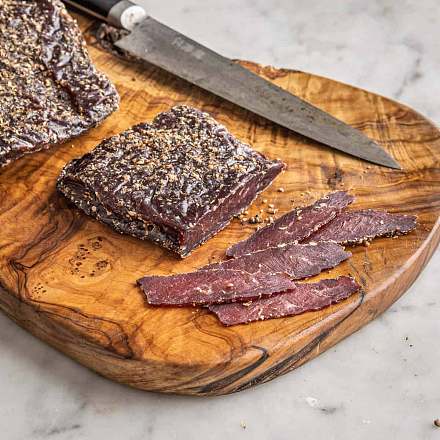
Biltong

Biltong

Biltong is a traditional South African dried and cured meat, most commonly made from beef or game meats. It involves marinating the meat in a mixture of vinegar, salt, sugar, coriander, and other spices before drying it. Biltong is a beloved snack in South Africa, reflecting the country's history of preserving food for long journeys and its deep-rooted hunting culture.

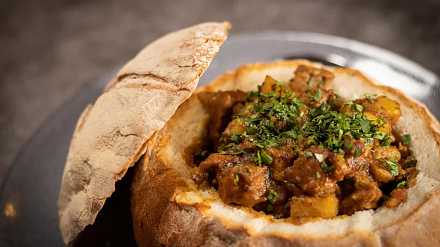
Bunny Chow

Bunny Chow

Bunny Chow is a uniquely South African fast food dish consisting of a hollowed-out loaf of bread filled with spicy curry. It originated within the Indian community in Durban and has become a popular comfort food across the country.

Bobotie

Bobotie

Bobotie is a well-loved South African dish featuring spiced minced meat baked with an egg-based topping. The dish is flavored with curry powder, herbs, dried fruits, and nuts, and is often served with yellow rice and a selection of sambals. Bobotie is considered the national dish by many and symbolizes the melting pot of cultures in South African cuisine, tracing influences from Malay to Dutch heritage.

Chakalaka

Chakalaka

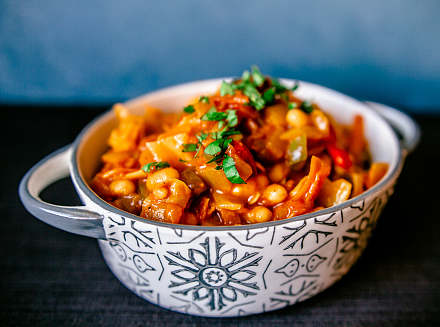
Chakalaka is a spicy vegetable relish traditionally served with bread, pap, stews, or grilled meat. Made from tomatoes, beans, carrots, peppers, and spices, it originated in the townships of Johannesburg as a simple, affordable meal. Chakalaka represents the spirit of South African communal dining and is a staple at gatherings, reflecting the country's diversity and creativity in using available ingredients.

Amarula Cream Liqueur

Amarula Cream Liqueur

Amarula Cream Liqueur is a sweet, creamy liqueur made from the fruit of the African Marula tree, sugar, cream, and alcohol. The fruit is fermented, distilled, and then aged in oak barrels before being blended with cream.

Packing

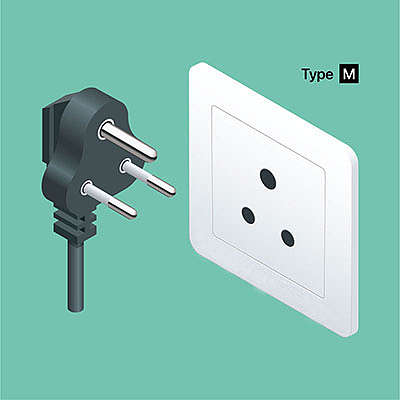
When visiting South Africa, packing should be versatile to accommodate its diverse climates and activities. Essentials include lightweight, breathable clothing for the warm days, with layers like sweaters or a jacket for cooler evenings, especially in the interior regions. A sturdy pair of walking shoes is a must for exploring cities or going on safaris. Don't forget a broad-spectrum sunscreen, sunglasses, and a wide-brimmed hat to protect against the strong sun. For wildlife viewing, pack neutral-colored clothing to blend into the natural surroundings. A swimsuit is a must for the coastal areas, while a reliable insect repellent and a basic first-aid kit are advisable for outdoor adventures. Lastly, ensure you have a good quality camera or smartphone to capture the stunning landscapes and wildlife encounters, along with a power adapter for South Africa's unique three-pronged outlets.

Currency

South Africa's official currency is the South African Rand, abbreviated as ZAR or simply R. The currency comes in a range of denominations, including coins of 5c, 10c, 20c, 50c, R1, R2, and R5, and banknotes of R10, R20, R50, R100, and R200. ATMs are widely available in cities, towns, and even in some larger rural areas, providing a convenient means of obtaining cash. Most international debit and credit cards are accepted at these ATMs, though it's wise to inform your bank of your travel plans to avoid any security blocks on your card. Credit cards, particularly Visa and Mastercard, are widely accepted in hotels, restaurants, and shops, making them a convenient payment method. However, it's advisable to carry some cash for small purchases, especially in remote areas or at informal markets where card payments may not be an option.

Transport

South Africa's key gateways for international visitors are the O.R. Tambo International Airport in Johannesburg and Cape Town International Airport, both of which offer extensive connections globally. For in-country travel, options range from domestic flights connecting major cities, to comprehensive road networks ideal for car rentals or long-distance buses, like Greyhound and Intercape, which are reliable for traveling between cities. The country also boasts luxury train services such as the Blue Train and Rovos Rail for scenic journeys. Urban areas, particularly Johannesburg and Cape Town, provide metered taxis and ride-hailing services like Uber for convenient city transport. However, public transport like buses and trains within cities may offer a less reliable experience.

Emergency

Pointing with a finger, especially at people, is considered rude, it's more polite to use a flat hand. Criticizing the country's political past, particularly apartheid, without a deep understanding of its complexities, can be offensive. It's also wise to avoid making assumptions about someone's language or ethnic background based on their appearance, as South Africa is incredibly diverse. Public displays of affection between same-sex couples may attract attention in conservative areas, despite legal protections. When it comes to emergencies, South Africa has a universal number for all major services: dial 112 from a mobile phone for access to police, fire, and ambulance services, ensuring travelers can quickly reach assistance when needed.

Power Sockets

South Africa utilizes a unique power socket type, designated as Type M, which is characterized by three large, round pins in a triangular pattern. This socket type is not commonly found in most other countries, so travelers should consider acquiring a Type M adapter for their electrical devices. The standard voltage in South Africa is 230 V with a standard frequency of 50 Hz.

Socket sample 1

Tours

View all tours

Tour operators

View all operators